

Pawn Shop Queens Expands Flexible Lending with Gold, Diamond & Rolex Pawns

diamond pawn shop
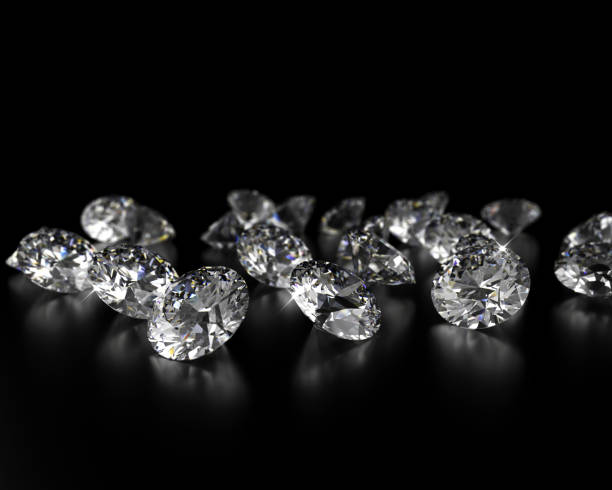
Diamond Valuation
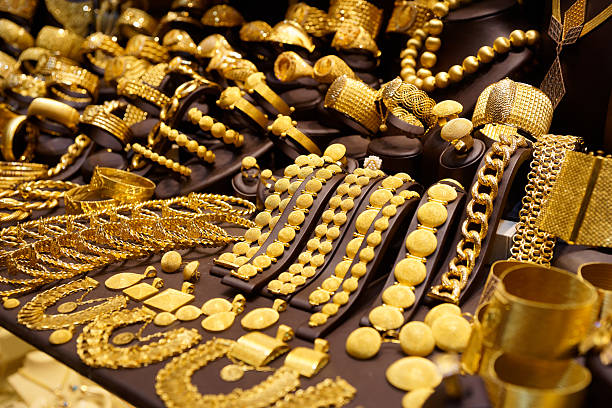
Pawn gold for cash
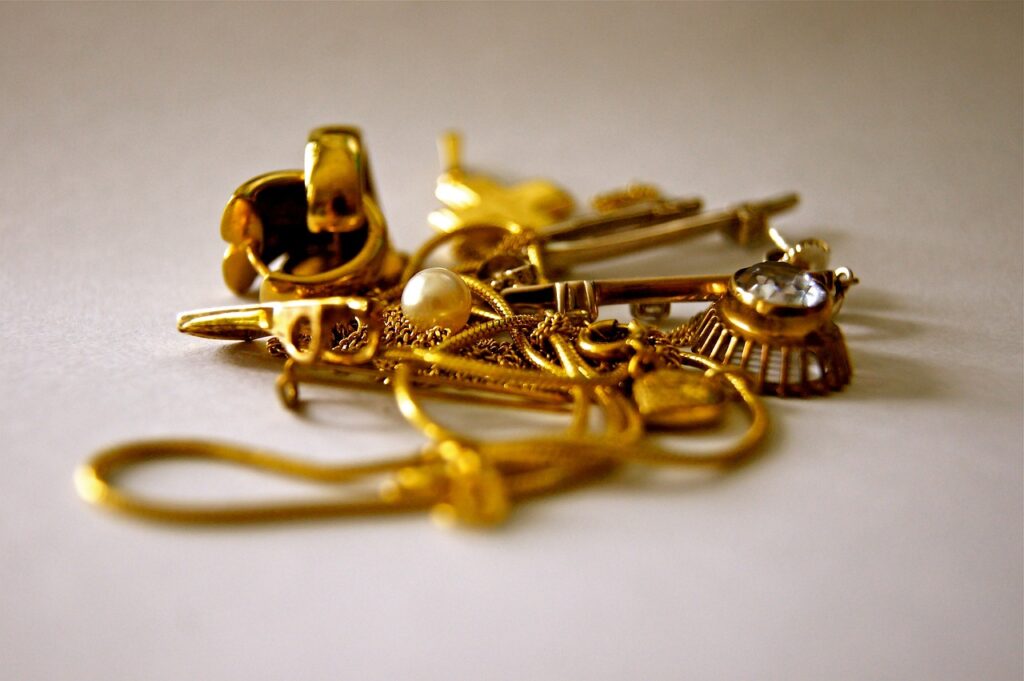
Pawn gold
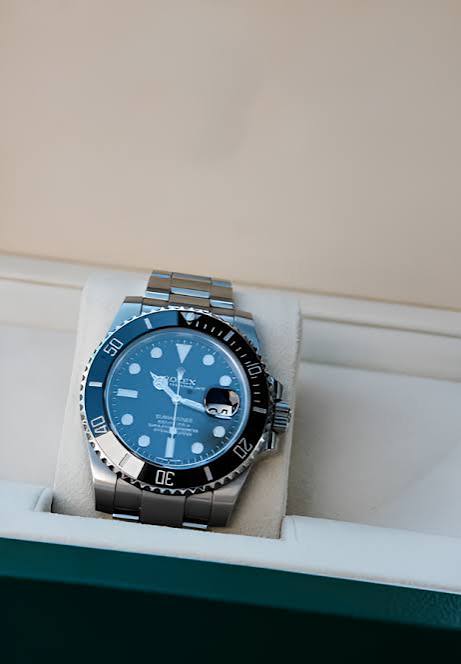
pawn shop rolex
Growing demand for asset-backed financing highlights Pawn Shop Queens' role in providing collateral loans secured by luxury and precious-metal assets.
NEW YORK CITY, NY, UNITED STATES, July 17, 2026 /EINPresswire.com/ -- Pawn Shop Queens, a pawn and resale operator located at 63-62 Saunders Street in Rego Park, New York, serves customers seeking collateral-based loans against luxury and precious-metal assets. As market data indicates a broad increase in demand for asset-backed lending options, particularly involving gold, diamonds, and luxury timepieces, the company's range of services appears to reflect a segment of that wider trend. This analysis draws on publicly available market research and industry observations to provide context for how operators such as Pawn Shop Queens participate in the evolving short-term credit landscape.Market Overview: Growth in the Global Pawn Sector
The global pawn shop market is currently valued at approximately $42.95 billion in 2025, according to Global Growth Insights, and is projected to reach $58.06 billion by 2035, reflecting a compound annual growth rate of roughly 3.06%. Industry research suggests that jewelry-backed loans account for around 54% of all pawn transactions, indicating that precious metals and stones remain a primary category within the sector. Gold alone may account for as much as 42% of total loan value across pawn operations globally, per Market Growth Reports data.
Within the United States, pawn shops serve an estimated 30 million customers annually, according to Verified Market Research. The average loan value in the U.S. ranges from approximately $150 to $250, though high-value asset categories, such as luxury watches, can produce significantly larger loan amounts. In New York City, pawn lending intersects with a broader financial inclusion context: according to a 2025 report from the NYC Comptroller's Office, a notable portion of city residents remain unbanked or underbanked, and some households continue to use pawn loans as part of their financial toolkit.
Key Trends: Luxury Assets as Loan Collateral
Industry analysts have noted a marked shift in the types of items brought to pawn operators. According to Verified Market Research, there has been approximately a 45% increase in luxury items, including designer watches, being pledged as collateral. Separately, Global Growth Insights data suggests that luxury asset pledges overall have risen by 28% in recent years, and gold-backed lending has seen a 31% increase globally.
This trend appears connected to several factors. Fintech companies are increasingly exploring partnerships with the pawn sector, with around 43% of such firms investigating digital lending models involving collateral, according to Global Growth Insights. Meanwhile, the digitalization of pawn services has grown by 36% in the last two years, and mobile app adoption for pawn-related services has increased by 41%, per Market Growth Reports. These dynamics suggest the traditional pawn model may be evolving in response to changing consumer expectations around access and transparency.
Gold Pricing Trends and Their Effect on Collateral Lending
Gold prices have remained elevated in 2025, a factor that affects the lending side of the pawn equation. According to J.P. Morgan forecasts cited in financial media, gold may average around $3,675 per ounce in Q4 2025, with some projections pointing toward $4,000 by mid-2026. The World Gold Council, in its 2025 annual demand trends report, identified geopolitics and inflation as key drivers of ongoing investment demand for gold, with North American gold ETF activity described as particularly strong through the year.
For borrowers who choose to pawn gold for cash, elevated prices may translate into a higher loan basis relative to prior periods. Gold valuation in pawn transactions is typically calculated by weight, purity (expressed in karats), and current spot price, according to the gold loan market research published by Verified Market Research. The Gold Loan Market was estimated at $112 billion globally in 2024, with Market Research Future projecting growth to approximately $169 billion by 2035, at a CAGR of 3.82%. Short-term and emergency financial needs, including medical expenses and debt management, appear to be among the most common motivations for gold-backed loans, per Verified Market Research's industry segmentation data.
Diamond Valuation in the Pawn Sector
Diamonds represent another significant category within asset-backed lending. A diamond pawn shop transaction typically involves evaluation of carat weight, cut, color, and clarity, and whether stones are accompanied by grading certificates from organizations such as the Gemological Institute of America (GIA) or IGI. Certified stones, in general, may support stronger appraisal offers than uncertified ones, though both categories are accepted at various operators.
According to industry-level reporting, diamonds of 0.5 carats or larger are among the most commonly considered items in collateral lending contexts. Lab-grown diamonds represent an emerging subcategory, with consumer adoption increasing, though their resale and pawn value remains subject to different market dynamics compared to natural stones. Items such as engagement rings, diamond bracelets, and loose stones are among the categories that pawn operators in the jewelry segment may evaluate. Appraisal methodology typically draws on current wholesale diamond market pricing as a reference baseline.
Rolex and Luxury Watch Trends in the Pawn Market
Luxury watches, particularly Rolex, represent a distinct subcategory within pawn lending. According to GEM Pawnbrokers, Rolex holds approximately a 32% share of the Swiss watch market, and certain models can support pawn loans reaching up to $14,000, depending on condition, documentation, and model. Among high-demand models cited in industry sources are the Submariner, which benefits from strong secondary market recognition, and the Day-Date, which carries a premium attributable to its use of precious metals.
Those who seek out a pawn shop Rolex transaction are advised by industry sources to include original boxes, papers, and service records, as complete-set watches tend to attract stronger offers. The secondary watch market has experienced notable volatility: according to GEM Pawnbrokers, Rolex prices on the secondary market dropped by approximately 5% in 2024, while the broader WatchCharts Market Index showed a significant decline from its 2022 peak. Despite price normalization, Rolex continues to draw significant pawn and resale activity in major U.S. urban markets, including New York, Miami, and Los Angeles, according to Diamond Banc's 2025 Rolex valuation guide. Demand for popular models from buyers has remained steady even as supply stabilized.
Pawn Shop Queens' Role in the Local Market
Pawn Shop Queens operates within the asset-backed lending segment in the Queens, New York area, with a location at Rego Park. Its activity reflects a portion of the broader local landscape for collateral-based loans, particularly in transactions involving diamonds, gold, and luxury watches such as Rolex. The firm accepts items including rings, necklaces, bracelets, earrings, and loose stones in the diamond category; gold jewelry, coins, bars, bullion, and scrap gold in the precious metals category; and luxury timepieces from brands including Rolex, Audemars Piguet, Patek Philippe, Cartier, and Breitling in the watch category.
The company offers both outright purchase and pawn loan arrangements. In a pawn loan, the item serves as collateral for a short-term loan, and the customer retains the right to reclaim the item upon repayment. In a sale arrangement, the transaction is final. The firm also offers in-store and remote appraisal options, with insured shipping available for customers who choose not to visit in person. Pawn Shop Queens has served clients across New York and has indicated that it draws customers from Manhattan, Brooklyn, and surrounding areas in addition to its Rego Park base.
Appraisal methodology across these three asset categories, diamonds, gold, and luxury watches, follows broadly distinct but overlapping frameworks. For gold, valuation typically centers on weight and karat purity, cross-referenced against the current spot price. For diamonds, appraisers generally apply the four-factor grading framework of carat, cut, color, and clarity, with certification from a recognized gemological body such as GIA or IGI providing an additional reference point. For luxury watches, condition, provenance documentation, and brand-specific secondary market demand each play a role, alongside the intrinsic value of any precious metal components. Industry sources suggest that the accuracy and transparency of the appraisal process may be a key variable in borrower trust, a factor that appears to be influencing how both independent operators and larger pawn chains position their services in an increasingly informed consumer environment.
External Economic Factors Influencing Asset-Backed Lending
Several macroeconomic conditions appear to be contributing to broader interest in asset-backed credit options. Inflationary pressures and elevated interest rates have prompted some consumers to seek alternatives to conventional credit products, according to gold loan market analyses published by DataIntelo and Market Research Future. In the United States, the gold loan sector has been described by DataIntelo as benefiting from ""elevated gold prices and rising consumer demand for quick-access, low-documentation credit alternatives amid the high-interest-rate environment.""
In New York City specifically, banking access disparities have historically contributed to demand for non-traditional credit options. A 2025 NYC Comptroller report on banking access notes that pawn loans are among the services used by households that identify as underbanked, meaning they have a bank account but have also accessed non-bank financial services. The report notes these services have ""historically been used disproportionately by unbanked households to meet their transaction or credit needs."" Consumer adoption of asset-backed lending models may reflect, in part, the continuing gap between formal credit availability and the needs of some urban populations.
Industry data indicates several structural reasons why asset-backed pawn lending may appeal to certain borrowers over conventional credit options. According to Verified Market Research, collateral-based loans through pawn operators typically involve minimal documentation and no credit check requirement, with loan amounts determined solely by the assessed value of the pledged item. This stands in contrast to personal loan products, which generally require income verification, credit history review, and multi-day processing timelines. For borrowers holding high-value portable assets, such as gold jewelry, diamonds, or luxury watches, a pawn loan may represent a practical means of accessing short-term liquidity without affecting credit standing. Industry sources also note that the option to reclaim the pledged item upon repayment distinguishes pawn loans from outright sale arrangements, a feature that appears to factor into borrower decision-making, particularly when items carry sentimental or long-term financial value.
Inventory and Transaction Patterns
Across the pawn sector broadly, gold, electronics, and personal collectibles represent over 78% of items accepted as collateral, according to Market Growth Reports. In the luxury sub-segment specifically, re-commerce and resale activity involving pre-owned luxury goods through pawn shops increased by approximately 23%, driven in part by consumer interest in circular economy models. Market Growth Reports further notes that some stores reported up to 35% of items are resold within 90 days if unclaimed.
For New York-based operators specifically, item categories tend to skew toward fine jewelry, precious metals, and luxury watches, assets more commonly held in a dense urban market with a significant concentration of high-income residents alongside underbanked households. This combination of demographics may partially explain why specialty pawn operators in New York and similar cities have maintained a focus on luxury-category appraisal and collateral lending.
Regional Context: New York City's Pawn Market
New York City represents one of the most concentrated markets for both luxury asset holders and non-traditional credit seekers in the United States. North America accounts for approximately 38% of the global pawn market by share, according to Global Growth Insights, with the U.S. representing the dominant share of North American activity. There are over 11,000 registered pawn shops across North America as of 2024, per Market Growth Reports, with the U.S. accounting for more than 94% of that figure.
Within the New York metro area, the market includes a range of operators from large multi-location companies to independent specialized operators. The Queens borough itself is notable for its demographic diversity, which may intersect with demand patterns in various ways, from residents with inherited gold jewelry seeking short-term liquidity to professionals holding luxury timepieces who prefer non-credit-based financing options. Industry data suggests women now account for approximately 41% of pawn borrowers nationally, up from 30% in 2021, per Global Growth Insights, indicating a broadening borrower profile across the sector.
Outlook for Luxury Pawn Lending
Market projections indicate continued moderate growth for the pawn sector through the mid-2030s. The global pawn market is expected to reach $58.06 billion by 2035, per Global Growth Insights, while the gold loan segment specifically is forecast to grow at a CAGR of 3.82% through 2035, per Market Research Future. Demand for quick-access credit tied to tangible assets appears to be a consistent feature of the financial landscape, particularly in environments marked by interest rate uncertainty and inflation.
Digitalization may reshape how pawn transactions are initiated, with approximately 43% of customer acquisition strategies now influenced by digital platforms, according to Global Growth Insights, but the fundamentals of collateral-based lending appear likely to remain stable. The continued elevation of gold prices and strong secondary market demand for certain luxury watch models suggest that the asset categories associated with operators like Pawn Shop Queens may retain relevance for both borrowers seeking short-term liquidity and sellers looking to monetize idle assets.
About Pawn Shop Queens
Pawn Shop Queens is a pawn and resale operator based at 63-62 Saunders Street, Suite 204, Rego Park, New York 11374. The company accepts and appraises a range of items, including diamonds, diamond jewelry, gold and other precious metals, luxury watches, precious stones, and coins. It offers both pawn loan arrangements and outright purchase transactions, with appraisal services available in person and remotely. The firm has reported more than 20 years of combined industry experience among its team and has indicated it serves customers from across New York City and the surrounding region. Pawn Shop Queens is licensed to operate in New York State and accepts items for appraisal on an appointment or walk-in basis.
JACOB MUSHEYEV
Pawn Shop Queens
+1 718 200 0332
pawnshopqueens63@gmail.com
Visit us on social media:
Facebook
Other
Legal Disclaimer:
EIN Presswire provides this news content "as is" without warranty of any kind. We do not accept any responsibility or liability for the accuracy, content, images, videos, licenses, completeness, legality, or reliability of the information contained in this article. If you have any complaints or copyright issues related to this article, kindly contact the author above.
